




Why Do Similar Hand Held Metal Detectors Perform Differently in the Field?
At first glance, many hand held metal detectors look almost identical. They may have a similar wand-shaped design, comparable sensitivity settings, and the same basic purpose: detecting metal objects quickly and safely. However, once they are used in real security environments, differences in detection performance can become obvious.
For security teams, purchasing decisions should therefore go beyond appearance or basic specifications. Detection sensitivity, anti-interference performance, stability, alarm modes, battery life, ergonomics, and programming capabilities can all affect how efficiently an operator performs security screening. For organizations looking for a practical and reliable solution, Zoan Group develops handheld metal detection equipment designed for professional security applications. Its digital handheld metal detector combines high sensitivity, stable operation, multiple alarm modes, and an ergonomic design for efficient daily screening.
Two handheld metal detectors can have similar specifications on paper but deliver different results in the field. This is because actual performance depends on how several technical and design factors work together.
Sensitivity is one of the most important factors when evaluating a handheld metal detector. A highly sensitive detector can identify small metal objects that may otherwise be overlooked during a manual security check. However, extremely high sensitivity is not automatically better. If the detector is too sensitive to environmental interference, it may produce unnecessary alarms. This can slow down security screening and increase operator workload. A professional device should provide a balance between high detection sensitivity and reliable operation. Adjustable sensitivity levels allow security personnel to select appropriate settings according to the application. For example, a security team at a stadium may require a different sensitivity level from an operator working in a jewelry store or customs inspection area.
Security screening rarely takes place in a perfectly controlled environment.
Airports, railway stations, stadiums, schools, and public buildings may contain electronic equipment, metal structures, communication systems, and other potential sources of electromagnetic interference. This is why digital design and high anti-interference performance can make a significant difference.
A detector with effective interference resistance can maintain more stable detection performance in challenging environments. Instead of repeatedly responding to environmental interference, the operator can focus on genuine metal targets.
Zoan Group's handheld metal detector uses a digital design with high anti-interference performance, helping support consistent operation in security-sensitive environments.
A security device may be used hundreds of times during a single working day. For this reason, operational stability is just as important as initial detection sensitivity. Frequent calibration can create additional maintenance requirements. It can also interrupt screening operations when equipment needs to be adjusted.
Zoan Group's handheld metal detector is designed for good performance stability without the need for periodic calibration. This makes the device suitable for organizations that require straightforward operation and predictable performance.
For security managers, this can translate into:
• Less routine equipment maintenance
• More consistent screening performance
• Easier operator training
• Reduced interruptions during busy security periods
Detection is only useful if the operator can quickly understand the result. Different working environments may have different requirements. An operator working in a crowded entrance area may prefer vibration alerts, while an operator in a quieter inspection area may find an audible alarm more convenient. A professional handheld metal detector should therefore provide flexible alarm options. The Zoan Group solution provides three alarm modes, including sound and vibration, allowing operators to select an appropriate alert method for different screening conditions. The operator can also judge the approximate amount or intensity of detected metal through the sound and light indications. This helps make the screening process more intuitive.
A handheld metal detector is often operated continuously for extended periods. Even when the detection technology performs well, an uncomfortable device can increase operator fatigue. The physical design of the wand should therefore be considered alongside technical specifications.
An ergonomic handle can improve grip and control, while an anti-slip surface helps the operator maintain a secure hold during repeated scanning.
Zoan Group's handheld metal detector features a streamlined design, comfortable handle, and anti-skid grip, making it easier to use during continuous security screening.
This is particularly relevant for:
• Airport security personnel
• Railway station security teams
• Stadium entrance staff
• Customs inspection officers
• Loss prevention teams
• Public security personnel
• Jewelry store security staff
Security screening equipment needs to remain available when it is needed. A detector with limited operating time may require frequent battery replacement or charging, which can interrupt daily workflows. Long working hours and extended standby time are therefore valuable features for professional users.
Zoan Group's handheld metal detector is designed for long working hours and standby time, while its energy-saving design helps reduce unnecessary power consumption.
The device also provides charging and low-power reminders. These functions give operators a clear indication of the battery condition before the device becomes unavailable.
For organizations managing multiple security checkpoints, this type of battery management can help simplify daily equipment planning.
Security requirements are not identical across every industry. A school entrance, airport checkpoint, courthouse, nightclub, and jewelry store may have different security policies and detection requirements. Advanced programming capabilities can provide greater flexibility when adapting equipment to different operating conditions.
Instead of relying on a fixed detection configuration, professional users can adjust the detector according to their specific screening environment. This is one reason why buyers should evaluate the control and programming capabilities of a handheld metal detector rather than comparing only its appearance or advertised detection distance.

A security hand held metal detector wand provides rapid and accurate scanning without body contact. This makes it an effective secondary screening tool for locations where security personnel need to quickly inspect individuals or specific areas.
Typical applications include:
Transportation hubs handle large numbers of passengers every day. Handheld detectors can be used for secondary screening when personnel need to locate potential metal objects efficiently.
Schools, courthouses, and other controlled-access facilities require practical security procedures. A handheld detector can provide an additional screening method without requiring large fixed equipment at every entrance.
Large events require fast passenger or visitor throughput. Lightweight handheld detectors can support security personnel when additional screening is required.
Nightclubs and other entertainment facilities often need compact screening equipment that can be deployed quickly at entrances.
Customs agencies and public security organizations may require portable metal detection equipment for inspection and controlled-access applications.
Retail security teams can use handheld detectors for loss prevention and targeted inspection. High sensitivity is particularly valuable in environments where small metal objects may need to be identified.

When comparing similar handheld metal detectors, B2B buyers should evaluate the complete operating system rather than focusing on one specification.
| Evaluation Factor | Why It Matters |
|---|---|
| Detection sensitivity | Helps identify small metal objects |
| Adjustable sensitivity | Allows adaptation to different environments |
| Anti-interference performance | Supports stable operation around electronic equipment |
| Performance stability | Reduces unnecessary maintenance |
| Alarm modes | Gives operators flexible detection alerts |
| Ergonomic handle | Improves comfort during extended use |
| Battery life | Supports longer periods of continuous operation |
| Low-power reminder | Helps prevent unexpected downtime |
| Programming capability | Provides greater configuration flexibility |
| Ease of operation | Reduces training requirements |
A detector that performs well in a laboratory or controlled demonstration may not necessarily provide the same experience in a busy security environment. Real-world performance depends on the combination of detection technology, electronics, software, physical design, power management, and operator usability.
For professional security applications, Zoan Group focuses on combining practical operation with stable detection performance.
Its handheld metal detector incorporates:
• Digital design with high anti-interference performance
• High detection sensitivity
• Adjustable high and low sensitivity levels
• Stable performance without periodic calibration
• Three alarm modes
• Sound, light, and vibration indications
• Streamlined and ergonomic construction
• Anti-skid handle design
• Long working and standby time
• Energy-saving operation
• Charging and low-power reminders
• Advanced programming capability
• Simple and user-friendly operation
These features make the device suitable for organizations that need a reliable and easy-to-use handheld security screening solution.

So, why do similar hand held metal detectors perform differently in the field? The answer is that detection performance is not determined by sensitivity alone. Anti-interference capability, electronic design, stability, alarm configuration, battery performance, programming, and ergonomics all influence how effectively a detector works in real security environments.
For B2B buyers, the best approach is to evaluate how the complete device performs under actual operating conditions rather than comparing a single specification.
Whether the application involves airports, railway stations, schools, courtrooms, stadiums, customs, public security, loss prevention, or jewelry stores, a well-designed handheld detector can provide a fast and convenient layer of security screening. With its combination of high sensitivity, stable digital performance, flexible alarm modes, ergonomic construction, and long operating time, Zoan Group's hand held metal detector is designed to support reliable day-to-day security inspection.
Previous
:How Can Under Vehicle InspectiNext
:No timeproduct category
Latest New

Why Do Similar Hand Held Metal Detectors Perform Differently in the Field? Views all
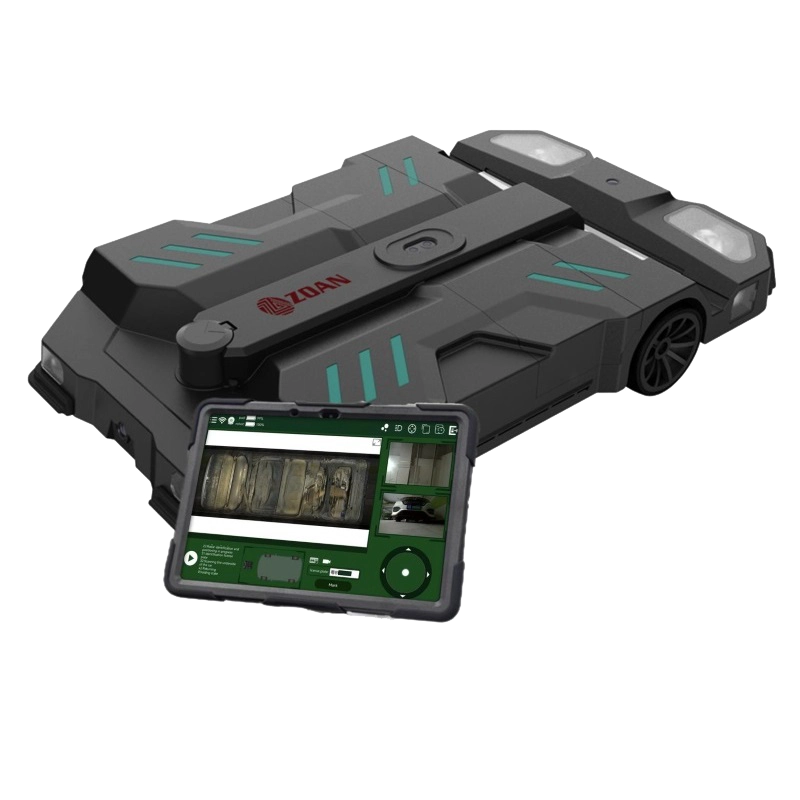
How Can Under Vehicle Inspection Robots Improve Security Without Slowing Traffic Flow? Views all

How Can You Improve Security Inspection Efficiency Without Increasing Labor Costs? Views all

How Can a Handheld Portable Explosive Trace Detector Support Faster Emergency Response? Views all

How Can Walk Through Metal Detectors Support Modern Security Systems? Views all

How Can Under Vehicle Surveillance Systems Improve Security Efficiency Without Slowing Traffic? Views all
 A403 QIFENG Digital Technology Park . 26 Bai Li Road ,XIA LI LANG Community , Nanwan street ,Longgang District, Shenzhen city, Guangdong province ,China
 518000
For inquiries about our products or pricelist, please leave to us and we will be in touch within 24 hours.


Shenzhen Zoan Gaoke Electronics Co.,Ltd.

IPv6 network supported


